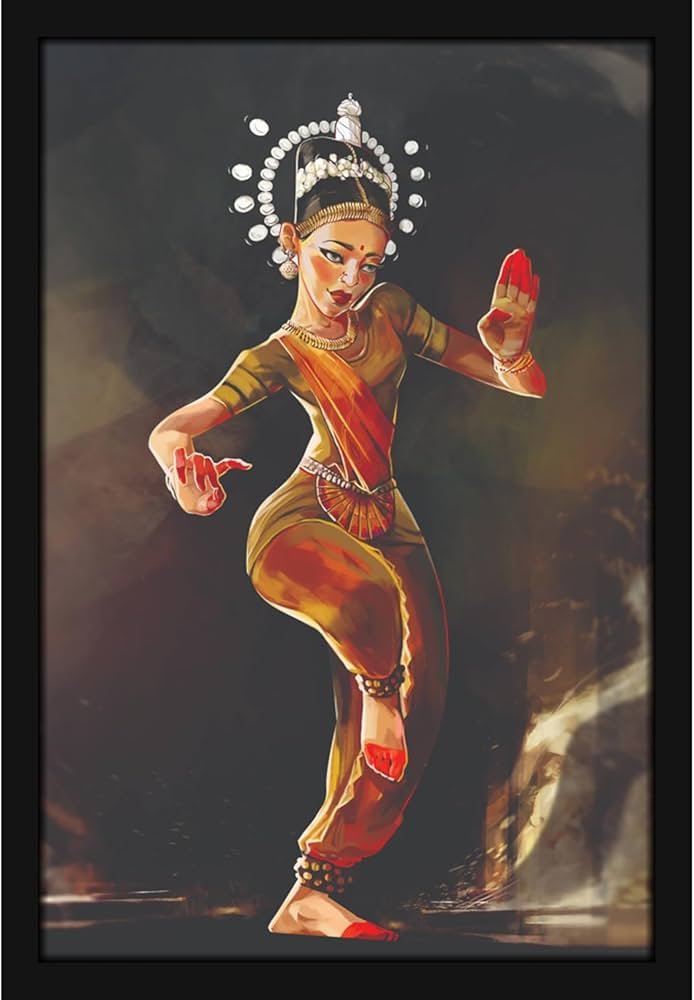
Kathak Dance: The Graceful Storytelling Art of India
Title: Kathak Dance – History, Costumes, Benefits & Beginner’s Guide
Description: Discover everything about Kathak dance, one of India’s oldest classical dance forms. Learn its history, costumes, footwork, benefits, mudras, and how beginners can start learning Kathak.
Kathak Dance: India’s Timeless Classical Dance Form
Kathak is one of the eight recognized classical dance forms of India. Known for its elegant storytelling, rhythmic footwork, graceful hand movements, and mesmerizing spins, Kathak has fascinated audiences for centuries. Today, interest in Kathak dance classes, Kathak for beginners, and Indian classical dance continues to grow as more people explore India’s rich cultural heritage.
What is Kathak?
The word Kathak comes from the Sanskrit word “Katha,” meaning “story.” Traditionally, Kathak dancers narrated stories from Hindu epics such as the Ramayana and Mahabharata through expressive movements, facial expressions, and rhythmic dance.
Over time, Kathak evolved under the influence of royal courts, blending storytelling with intricate footwork, fast spins, and expressive performance.
History of Kathak Dance
Kathak originated in Northern India over a thousand years ago. Early performers, known as Kathakars, traveled from village to village narrating mythological stories through dance.
During the Mughal era, Kathak became more refined and artistic. It incorporated elegant costumes, sophisticated music, and complex rhythmic patterns while preserving its storytelling roots.
Today, Kathak is performed on stages worldwide and is taught in dance academies across India and internationally.
Main Elements of Kathak Dance
1. Tatkar (Footwork)
Tatkar is the foundation of Kathak. Dancers create rhythmic patterns using precise foot movements while wearing Ghungroo (ankle bells).
2. Chakkars (Spins)
Kathak dancers are famous for their smooth and controlled spins. Advanced performers can execute dozens of continuous chakkars while maintaining perfect balance.
3. Mudras (Hand Gestures)
Mudras help express emotions, characters, and stories. Combined with facial expressions, they make Kathak a beautiful storytelling dance.
4. Abhinaya (Expression)
Abhinaya refers to emotional storytelling through facial expressions, eye movements, and body language.
This is one of the most admired aspects of Kathak performances.
Traditional Kathak Costume
Women
- Anarkali or Lehenga
- Churidar
- Dupatta
- Ghungroo
- Traditional jewelery
Men
- Kurta
- Churidar
- Angarkha
- Ghungroos
The elegant costumes enhance the visual beauty of the dance while allowing freedom of movement.
Benefits of Learning Kathak
Learning Kathak offers much more than dance skills.
Physical Benefits
- Improves flexibility
- Builds stamina
- Strengthens leg muscles
- Enhances posture
- Improves coordination
Mental Benefits
- Increases concentration
- Boosts confidence
- Reduces stress
- Improves memory
- Enhances creativity
Is Kathak Good for Beginners?
Absolutely.
Many people begin learning Kathak as children, but adults can also start at any age. Beginners first learn:
- Basic footwork
- Simple hand movements
- Rhythm counting
- Body posture
- Introductory spins
With regular practice, students gradually master advanced techniques.
Why Kathak is Becoming Popular Again
Interest in Kathak has grown due to:
- Online Kathak classes
- Cultural festivals
- Dance reality shows
- Social media performances
- Increased appreciation of Indian classical arts
Final Thoughts
Kathak is much more than a dance form—it is a living tradition that combines storytelling, rhythm, expression, and culture. Whether you want to perform professionally or simply enjoy learning an art form, Kathak offers a rewarding journey filled with discipline, creativity, and grace.
If you’ve always wanted to learn Indian classical dance, Kathak is an excellent place to begin.